Just a mere 10 days ago, the “King of the North”, Andy Burham, rode into Westminster on his horse of hope, taking the reins of the UK Prime Ministership.
Burnham, however, did not come with an empty saddlebag: alongside his wave of new policies came a social media blitz unlike anything Downing Street had seen under Keir Starmer or any other Prime Minister, for that matter.
Burnham openly describes himself as a people person, and that was apparent in how he approached his tenure as Manchester Mayor, shunning the conventional top-down political approach to policy and instead prioritising contact with his constituents across the City Region and listening to their ideas and feedback to shape his policies.
To do this, Burnham regularly appeared at public events and gatherings, as well as visiting pubs and high street shops to chat to his constituents. Burnham also connected with young people in Manchester through his frequent DJ sets and through sporting his signature ‘Andy-Core’ look, complete with his black t-shirts and Adidas sneakers, keeping his hand on the pulse of trends coursing through the notably stylish Manchester city region.
This down-to-earth, man-of-the-people approach has carried through into his first week as Prime Minister, during which Burnham has utilised social media to launch his flagship policies. Rather than relying solely on polished Downing Street statements and professionally filmed policy announcement videos like the kind done by his predecessor Keir Starmer, Burnham has placed himself at the centre of informal, platform-native videos that feature him, in many cases, appearing to hold the camera himself while announcing key policies. In his Instagram reel announcing a national £2 bus fare cap, Burnham holds the camera in a selfie-style video, while a bus behind him drives forward with large text advertising the cap. These direct pieces to camera make Burnham feel personable and create the impression that he is in control of the rhetoric and policy, rectifying a key issue defining Keir Starmer’s premiership, where the government line was frequently not widely publicised or made clear to the general public.
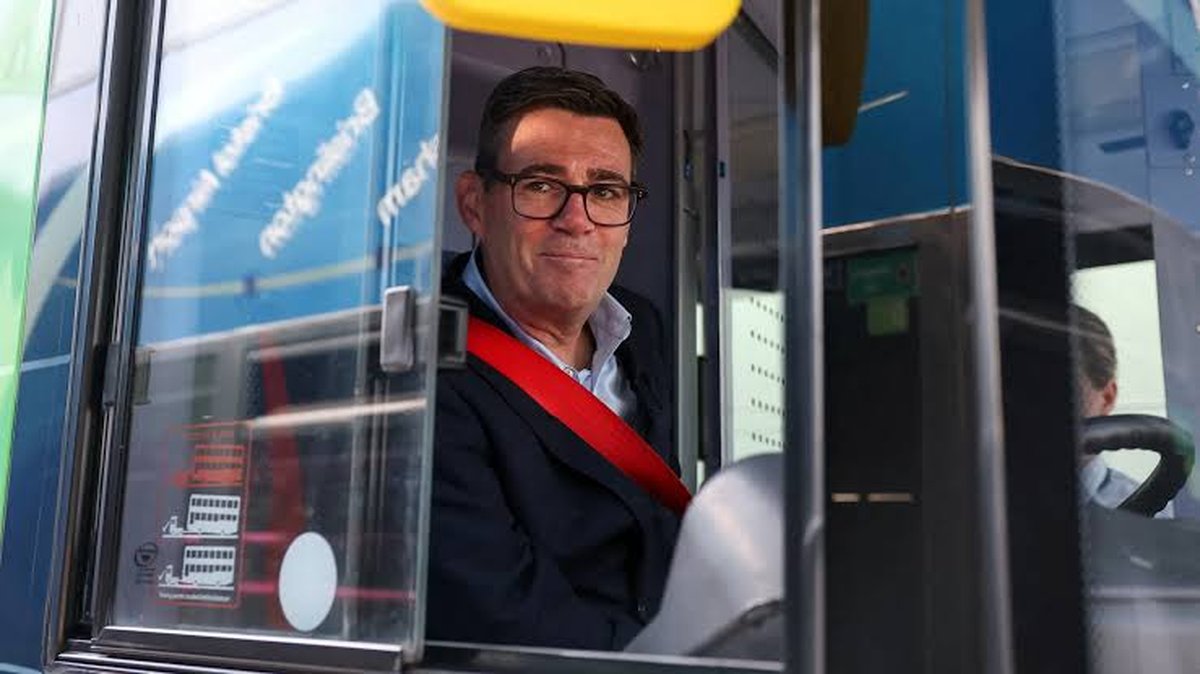
This hands-on approach to social media is also reflected in his team’s penchant for “Burnham does”- style videos, in which Burnham can be seen performing an action relevant to his policies. In another Bus cap announcement video, Burnham can be seen behind the wheel of a bus as he speaks about his policy, suggesting that he will tangibly implement the change rather than just rhetorize. The “Burham does” style video format was also used in his reel, announcing the 20% cut on business rates for pubs and other commercial venues, where he can be seen pouring a pint for himself while once again explaining the policy.
The former mayor’s hands-on social media style also draws considerable parallels to New York Mayor Mamdani’s prolific utilisation of social media. Even before being elected to lead NYC City Hall, Mamdani used his connection with young people amplified through social media to make his policies clear, using short reels to explain his key policies and sharing clips of him connecting with ordinary New Yorkers by making appearances at various nightclubs and community centres. Mamdani’s extensive use of social media to publicise his policies has continued unabated during his tenure as mayor. His strategy has expanded beyond just policy explainer videos; however, Mamdani has utilised New York’s ample influencer community to spread his message further online. In January 2026, Mamdani hosted his first “New Media” meeting, inviting lifestyle influencers instead of traditional press and explaining some of his key policies to them, allowing them to spread the word to their respective followings. By sharing his policies with lifestyle influencers, Mamdani effectively amplified awareness of his policies across New York and beyond, encouraging political participation among people who may not consume much political content but instead use social media to consume lifestyle content.
Akin to Mamdani’s accommodating stance on using influencers to augment political participation and spread policy stances, Burnham has indicated that he is open to partnering with content creators in future posts. In the aforementioned set of Instagram Reels announcing the Bus fare cap, Burnham collaborated with popular social media influencer Bus Aunty Bemi Orojuogun to announce the policy, featuring her in the video on “Downing Street” and “Andy Burnham” Instagram accounts while also allowing her to spread the message on her own account spreading the news to those who may not consume a lot of political media or hear about it through strictly political channels. It is very unlikely that Burnham will take to Mamdani’s direct-influencer approach, however, as Burnham’s presence at the national level, as opposed to Mamdani’s citywide presence, means that sharing upcoming policy decisions may invite volatility within the national government if key policies are leaked beforehand.
Burnham, like Mamdani, has also taken a more reactionary approach to posts regarding himself or government policy. In response to British food influencer “bignibblesfood ’s” reel about Andy Burnham, part of his series on the favourite foods of UK Prime Ministers, where the creator scrutinises past Prime Ministers, Burnham’s official Instagram account responded with a satirical comment about the gravy: “Gravy’s way too thin mate”. Burnhams’ official Instagram also responded to a post by British Influencer Big John, known for his “Bosh” catchphrase, which featured Big John asking jokingly about where Andy Burnham was from, a dig at how Burnham likes to emphasise his Manchester origins, a post to which Burnham’s official Instagram once again responded in satire with the comment: “I’m right here, mate”. By responding humorously to posts intended to scrutinise or parody him, Burnham reinforces the impression that he understands how to participate in social media culture rather than merely broadcast through it.
These interactions make his account feel reactive, grounded, and self-aware, while showing that his team recognises the comments section as a political tool in its own right, allowing the PM to amplify his reach and stay true to his sociable, people-first persona.
Burnham’s adoption of Mamdani style, reactive and hands-on social media posts on a national government level, affirms that social media in politics is here to stay for the foreseeable future, and that its impact will only continue to grow as the world becomes more digitised. And so far, Burnham has kept himself at the centre of his social media blitz, using his man-of-the-people persona and informality to make government policy feel more accessible and straightforward to the masses. Burnham’s tenure as PM will not be judged by proximity to influencers or satirical comebacks, but by whether the policies promoted through it produce tangible results. But for now, Number 10 has a PM who understands how to feed the social media algorithm.