
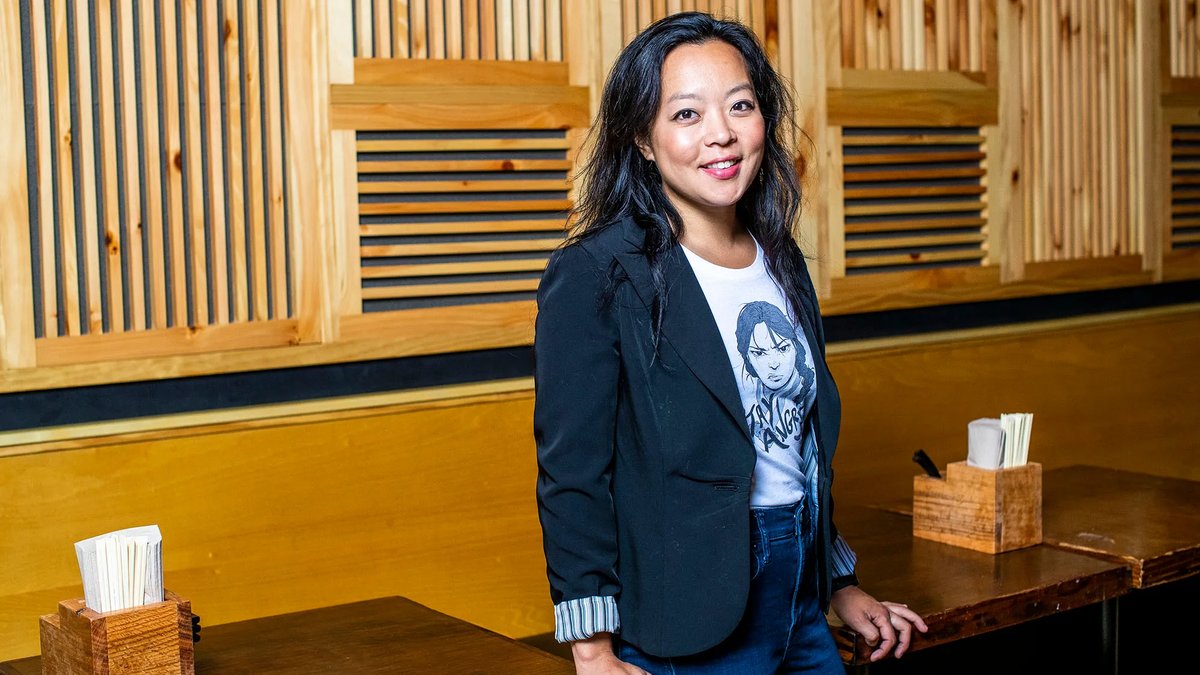
Francesca Hong currently has a 97% chance on Kalshi of winning the Wisconsin gubernatorial Democratic primary. Hong is a member of the Wisconsin State Assembly and a member of the Democratic Socialists of America. Should Hong win the primary and general election, she would be poised to be the first DSA member to hold statewide office.
However, should Hong win, she could threaten the Democratic party’s chance of winning the state. One month ago, Democrats had a 80% chance of winning the gubernatorial election in November. Their chances have halved, and they now sit at around 40%.
2026 is the year of progressive insurgency, the year that progressives have finally garnered not just cultural, but political power across the United States. The DSA has seen its membership skyrocket and DSA members and progressives have won primaries from California to New York.
However, many moderate Democrats have argued that, should DSA members win primaries in purple states, they ruin the chances of flipping them blue.
If Francesca Hong wins the primary, she will test this hypothesis on the national state. She has run a successful populist campaign, drawing huge crowds from across the state on a campaign that has made a statewide moratorium on data centers one of its biggest issues.
She might be too progressive, even for a state that has been expected to vote for a Democratic governor. She might even be responsible for letting Republicans flip the seat, which would be unheard of in a midterm election that is expected to significantly favor Democrats.
But, should she win, she will prove that the DSA has power in both blue and purple states. Despite crafting an identity as the party of the working people, progressive Democrats have failed to win them over.
Progressive Abdul El-Sayed received the endorsement of the Union Auto Workers, but UAW members voted en masse for moderate Haley Stevens. Working class voters with no college education are most likely to vote against a progressive Democrat running in a primary.
Hong also represents the new worries of Democrats. She fights against data centers, and fights for universal childcare. November is three months away and she will have a good chance to argue her case to moderate voters, but much can be learned from her campaign even if she loses.
Hong’s main opponent, David Crowley, has not had the same attitude towards data centers. He has called the adjective “establishment” a slur against Black candidates. Judging by his slimming chance of victory, Democratic voters clearly view him as out of touch with the zeitgeist of the party’s base.
If Hong wins, which she very likely will, she will be the target of both moderate Democrats and Republicans. She will be described as a spoiler candidate, the latest infection by the DSA in the Democratic party. This infantilizing attitude towards Democrat voters, who support Hong, is both stubborn and dangerous.
Yes, Hong might spoil the election for Democrats. But the establishment has to recognize that Hong represents a changing Democratic electorate, one that is more open to progressive ideas than any base in the past half century.