
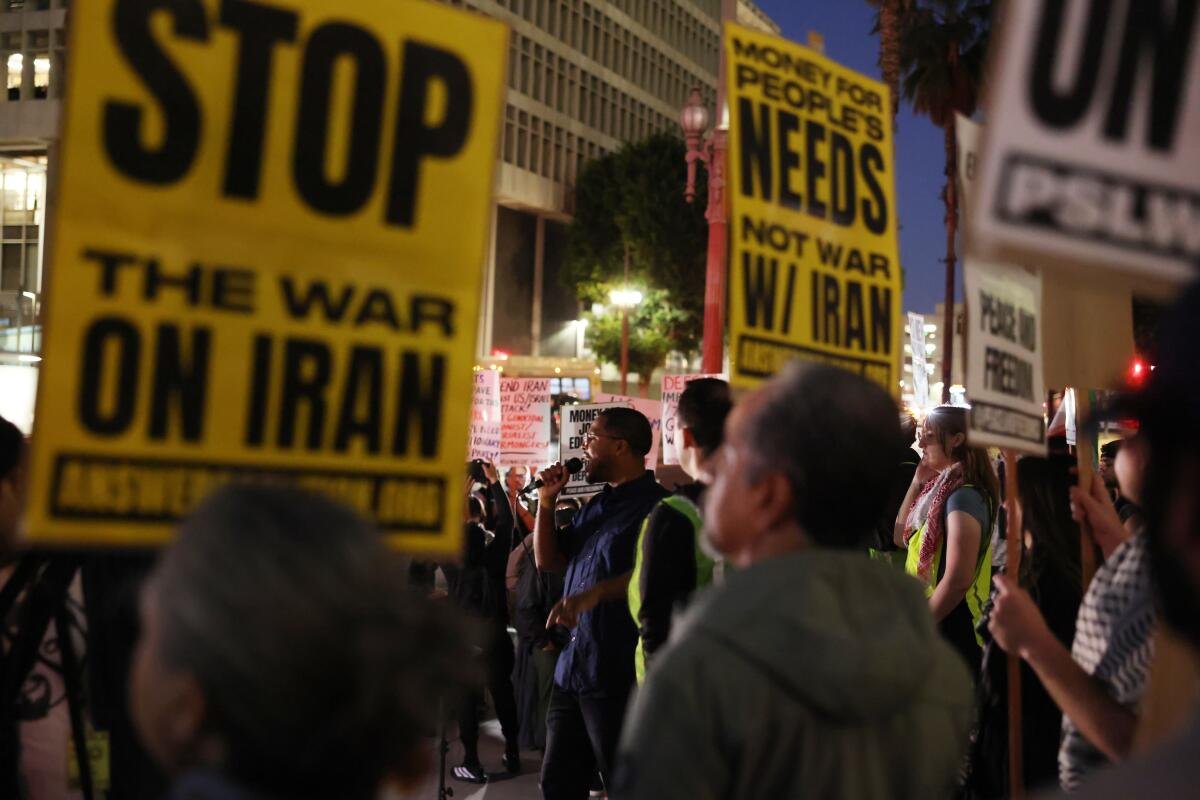
American voters have grown increasingly frustrated with the Iran war, and expect the conflict to continue for longer than Trump has stated. According to a Pew Research poll, 54% of Americans believe the Iran war will last more than 6 months, with 29% believing it will last more than one year. Just 8% believe the war will be over in the next month.
Americans do not view the war in Iran as a short-term incursion that will be over with minimal effect to the US economy, they see it as yet another forever war in the Middle East. Americans are, for the most part, not buying Trump’s attempts to shorten the timeframe of the conflict.
The war itself is also very unpopular. According to RMG (a Republican pollster), 61% of Americans disapprove of the Iran war. This number is shockingly low, considering that American wars generally poll very favorably at their beginning. At the start of the war in Afghanistan, over 90% of Americans were in support. This shows that Trump has been unable to make a strong case for the war in Iran, and has not established clear goals and objectives that would benefit the United States.
Silver Bulletin, which publishes an Iran war tracker that combines a variety of polling to show trends, indicates that approval for the war in Iran is at a new low. One month ago, there was -8.3% net-approval for the war. That number has sharply dropped to -18.1% as gas prices have spiked and no objectives have been completed aside from a decapitation strike and elimination of much of Iran’s weapon supplies.
Americans are also skeptical of spending tax dollars on the war. 58% of Americans believe that spending $200B in additional Department of Defense funding for the war in Iran is a bad use of taxpayer money. Just 20% of Americans support sending additional money to the Israeli army for the war effort.
Trump’s war in Iran has quickly soured among the American public, and there are no signs of increased approval. Americans have already seen the short-term economic impacts of the closure of the Strait of Hormuz on gas station tickers across the country, and so far the war has not led to increased stability in the Middle East, or increased safety for Americans at home and abroad.
Such a costly and unpopular war occurring seven months before the midterm elections may prove to be catastrophic for Republican chances of holding the Senate. Trump, and the Republican party, must either make their objectives clear to the American people, or cut their economic losses and negotiate a ceasefire with the Iranian regime. The conflict threatens to either boil over and cause fighting throughout the rest of the Middle East, or result in a stalemate between the U.S. and the IRGC.