
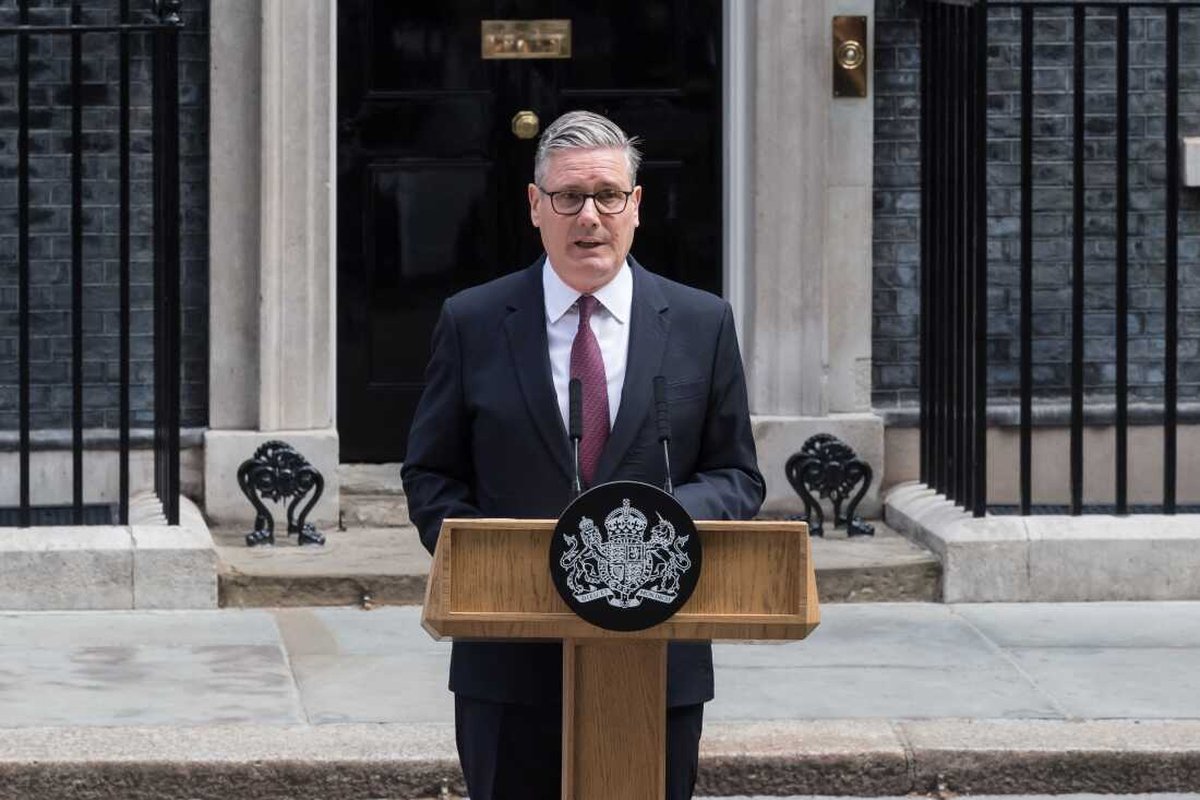
Keir Starmer recently announced his resignation as the United Kingdom’s prime minister, ending one of the most unpopular terms in British history.
Starmer’s approval hit a low of 18%, with 75% of the county disapproving of him. He had faced extreme pressure from Labour MPs in Parliament to resign, and open up the position to any potential successors.
Two recent events were the catalysts for Starmer’s resignation. Although his resignation is more of the culmination of an unpopular term rather than the result of a single even, much of his reasoning is related to Labour’s recent electoral blowout in May and the election of Andy Burnham to parliament.
On May 7, the UK held local elections for many seats in the English council. Labour lost 1,400 seats in the council, shedding votes to Reform and the Green party. This election was a disaster for Labour, who went lost an almost 3,000 seat majority.
Much of this loss can be attributed to the “pincer” problem that Labour faces. Labour is facing threats from both their left and right flanks, with right-wing Reform UK taking many of their more moderate voters while the Greens take many of their left-wing voters.
Andy Burnham’s election to the Makerfield seat in Parliament. Burnham was considered Starmer’s biggest leadership threat, and will likely be the next prime minister. Party rules require any Labour leadership candidate to be a sitting MP, so Burnham had to have won the seat in order to pose a threat.
Following Burnham’s victory, Starmer realized that the had little chance at holding onto his leadership position in Labour, and decided to resign rather than face humiliation from his party.
Burnham’s win was especially important because he won in an area that was swept by Reform UK, proving that Labour could win back voters if Starmer no longer represented the party.
Now, Burnham will be left with the difficult task of rebuilding the brand of Labour and picking up where Starmer failed.
If a new election were held, it seems unlikely that Labour would be able to hold onto a majority in Parliament. Unless Burnham is able to turn the party around, Reform will gain control after the next election.