
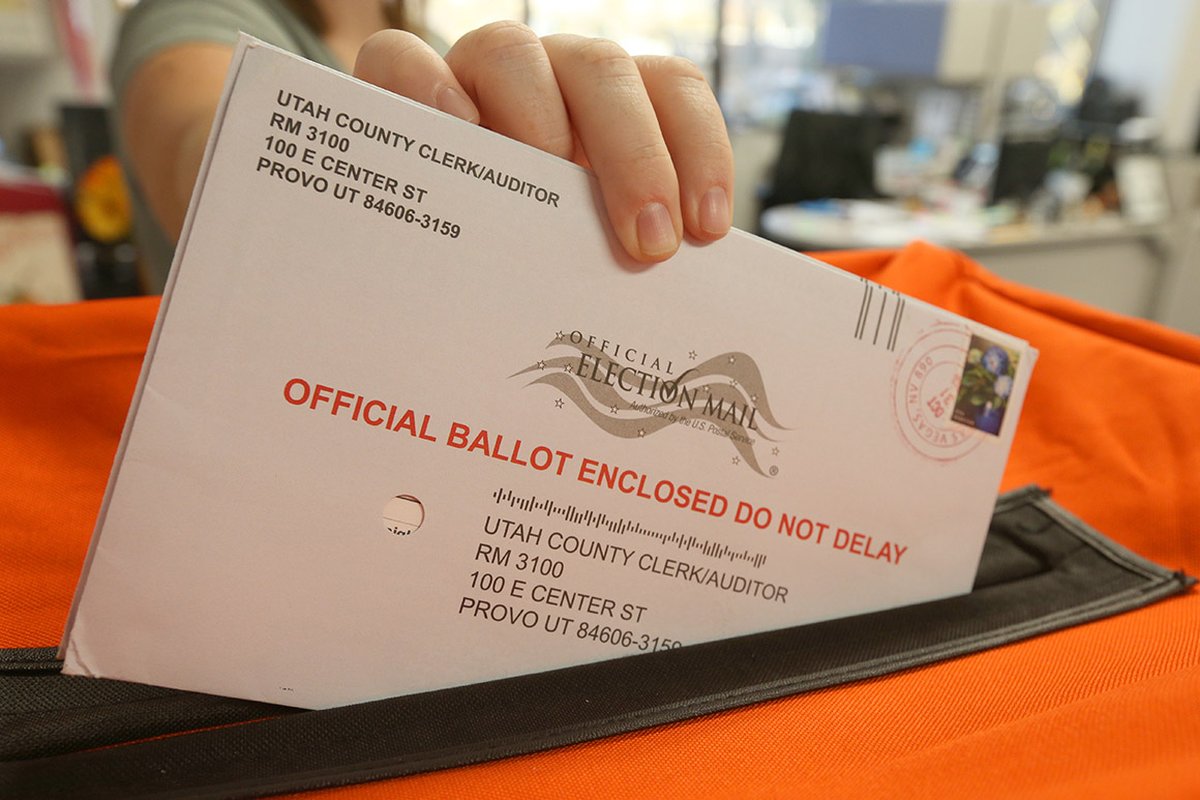
In 2026, with the California gubernatorial primary coming so close and the LA mayoral election, mail in ballots have returned to the public spotlight. Nearly 1 in 3 Americans voted by mail in the 2024 general election, accounting for more than 48 million votes. In theory, mail in ballots are just another way to vote, making it more accessible for more Americans. So why is it that only an estimated 26% of mail-in ballot voters are Republicans?
That’s because of years of Republican leadership, from the top down, actively discouraging their own voters from using it. In a “self-fulfilling prophecy”, Republican rhetoric depressed mail-in ballot requests among their own base. Political scientist Michael McDonald noted, requests in states like Florida, which had historically been evenly split, shifted dramatically in Democrats' favor once GOP leaders began attacking the method.
The partisan gap in support for mail voting has now grown to 51 percentage points, a dramatic widening from where it stood just five years ago. As of August 2025, 83% of Democrats support mail voting, compared to just 32% of Republicans. When a party's base opposes a method, fewer of them use it. It’s a pretty logical conclusion that has led to a stark divide and a ton of misconceptions.
The irony is that the science doesn't actually support the claim that mail voting inherently advantages Democrats. Stanford researchers found that universal vote-by-mail could increase Democratic vote share by roughly 0.7 percentage points (a potentially election-deciding margin in a close race), but still a far cry from the conspiracy that critics and online trolls have alleged.
But none of this evidence has stopped the effort to end it. On March 31, 2026, President Trump issued an executive order titled "Ensuring Citizen Verification and Integrity in Federal Elections," directing the U.S. Postal Service to refuse delivery of ballots from any voter not on a federally created enrollment list. The Brennan Center and other groups immediately challenged the order in court, arguing it flatly violates the Constitution, since only states and Congress may set the rules for federal elections.